Each spring and autumn, millions of birds cross Canada. The choice of feeders, shelters, and native plants determines whether these species stop in your garden.
During seasonal movements, birds need three fundamentals: food, water, and shelter. How your property is arranged can make a measurable difference to the species that stop there.
Native Canadian plant species produce the seeds, berries, and insects that local migratory birds eat. Red-osier dogwood, serviceberry, and common elderberry are among the most effective.
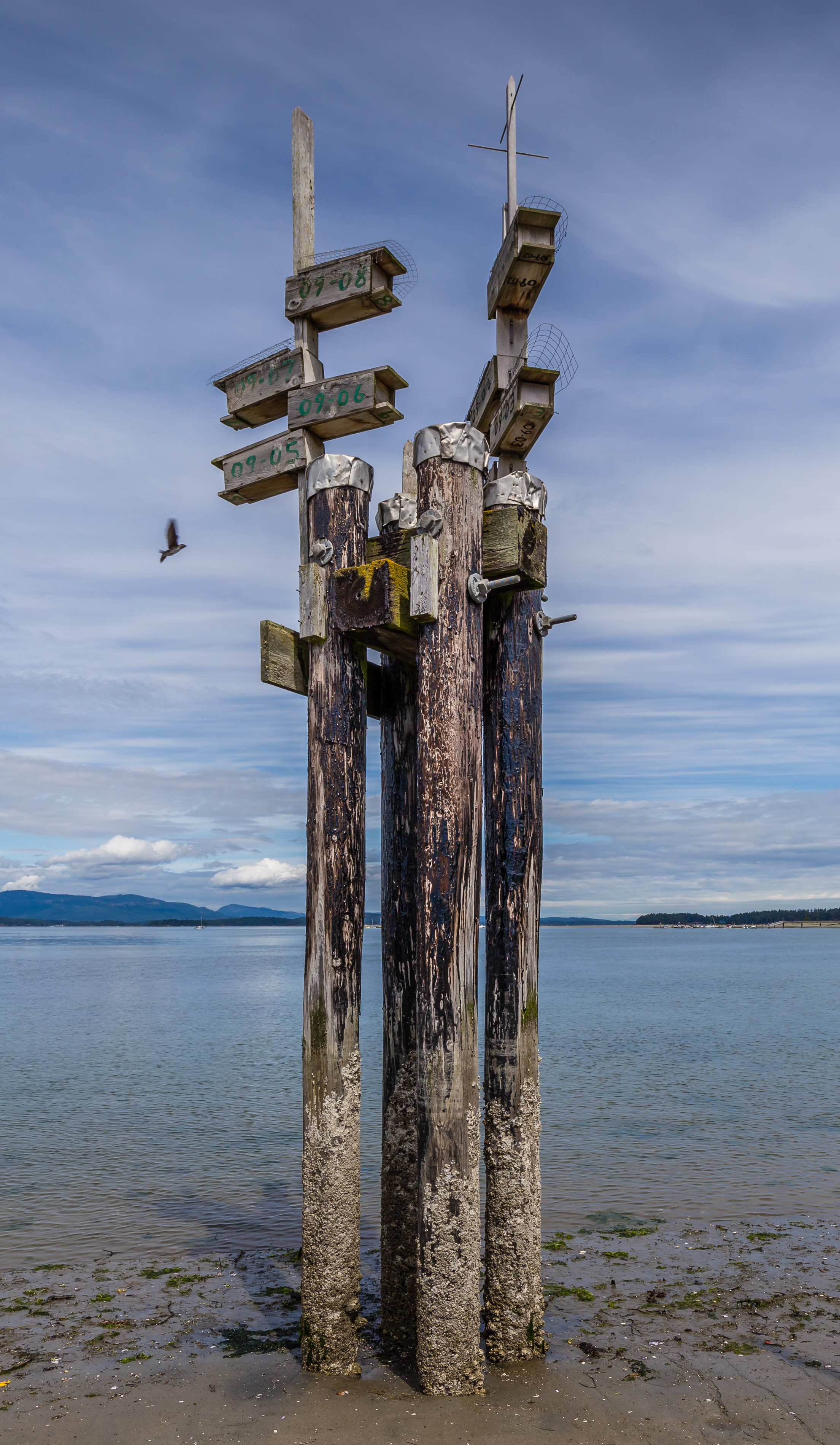
Nest boxes, dense hedges, and brush piles provide refuge from predators and weather. Nest box entrance size should match the target species — 38 mm for eastern bluebirds, for example.
Seed type and feeder design determine which species arrive. American goldfinches prefer nyjer, while black-capped chickadees favour hulled sunflower seeds.
The George C. Reifel Migratory Bird Sanctuary in the Fraser River delta, British Columbia, hosts hundreds of species each year. Its management illustrates practices applicable at garden scale.
Three central topics for creating a garden that welcomes passing birds in Canada.
Seed types, placement, cleaning, and species attracted by season in Canada.
Entrance dimensions, materials, orientation, and maintenance of nest boxes for Canadian migratory species.
Selection of native vegetation producing berries, seeds, and insects valued by birds in transit.
Several species regularly cross Canadian provinces in spring and autumn. Their presence depends directly on available food resources.